

large rectangle bathroom mirror
Understanding Timber Fixed Brackets A Comprehensive Guide Timber construction has long been a favored choice in the building industry due to its aesthetic appeal, sustainability, and structural reliability. Within this realm, timber fixed brackets play a crucial role in ensuring the robustness and longevity of timber structures. This article explores what timber fixed brackets are, their applications, benefits, and some best practices for their use. What are Timber Fixed Brackets? Timber fixed brackets are specialized hardware components designed to provide support and stabilization to timber structures. Typically made of durable materials like steel or heavy-duty plastics, these brackets are used to connect, secure, and distribute loads among various timber members. They can be found in various forms, including angled brackets, flat plates, and even customized designs, catering to the specific needs of the project at hand. Applications of Timber Fixed Brackets The versatility of timber fixed brackets makes them suitable for a wide range of applications. Commonly, they are used in residential and commercial construction, where they support beams, rafters, and trusses. In addition, they are employed in landscaping projects, including pergolas, decks, and fences, ensuring that timber elements are held firmly in place against the forces of nature. Moreover, fixed brackets are critical in both new constructions and renovations, improving the integrity of existing structures. Benefits of Using Timber Fixed Brackets 1. Structural Stability One of the primary advantages of utilizing timber fixed brackets is the enhanced structural stability they provide . By properly securing different timber elements, these brackets help distribute loads evenly, thereby reducing the risk of sagging or structural failure. 2. Durability High-quality fixed brackets are designed to withstand various environmental stresses, including moisture and extreme temperatures. When installed correctly, they can significantly extend the lifespan of timber structures. 3. Aesthetic Appeal Timber construction is celebrated for its natural beauty. Fixed brackets can be designed to complement the overall aesthetic of a project, offering a seamless integration that enhances the visual appeal of the structure. timber fixed bracket 4. Ease of Installation Most timber fixed brackets are user-friendly and can be installed with basic tools. This ease of installation can lead to reduced labor costs and shorten project timelines. 5. Cost-effectiveness By improving the stability and longevity of timber structures, fixed brackets can minimize maintenance and repair costs over time, making them a wise investment. Best Practices for Using Timber Fixed Brackets To maximize the effectiveness of timber fixed brackets, consider the following best practices 1. Select the Right Bracket Different projects require different types of brackets. Assess the load requirements and environmental conditions to select the most appropriate bracket. 2. Follow Manufacturer’s Guidance Always adhere to the installation guidelines provided by the manufacturer. This ensures that the brackets are installed correctly and safely. 3. Regular Inspections Periodically check the fixed brackets for signs of wear or damage. Early detection of potential issues can prevent more significant structural problems down the line. 4. Maintain a Clean Environment Keep the areas where brackets and timber meet free from debris and moisture, as these can compromise the integrity of the connection. In conclusion, timber fixed brackets are integral components that contribute significantly to the strength and durability of timber structures. By understanding their function, applications, and benefits, builders and homeowners can make informed decisions that enhance the safety and longevity of their timber projects. As timber continues to be a popular choice for construction and landscaping, the role of fixed brackets will undoubtedly remain a vital aspect of successful timber installations.
about
large rectangle bathroom mirror
Gate valves are essential components in various piping systems, ensuring efficient flow control. This article explores the specifics of the 150mm gate valve , the 2 gate valve , and the 25mm gate valve . Understanding these variations helps in selecting the right valve for your application needs. The Importance of the 150mm Gate Valve The 150mm gate valve is widely used in industrial applications where substantial fluid flow needs to be regulated. With a diameter of 150mm, this valve can handle high volumes of water, oil, or gas. Its robust design allows for reliable sealing, which minimizes leaks and pressure drops. When installed correctly, the 150mm gate valve ensures that systems operate efficiently, making it a popular choice in municipal water systems, oil refineries, and manufacturing plants. Choosing this valve type can greatly enhance the performance and longevity of your piping infrastructure. Exploring the 2 Gate Valve Design The 2 gate valve is an innovative solution designed for applications requiring a compact yet effective flow control mechanism. This valve typically features two gates that operate simultaneously, allowing for better flow regulation and efficiency. The 2 gate valve is especially useful in situations where space is limited, such as in residential plumbing or small-scale industrial systems. Its dual-gate design not only reduces potential leaks but also enhances the overall durability of the system. When considering efficiency and space constraints, the 2 gate valve stands out as a versatile choice. The Role of the 25mm Gate Valve In contrast to larger valves, the 25mm gate valve is designed for smaller applications, making it ideal for domestic or light industrial uses. This valve is particularly effective in residential plumbing systems, irrigation systems, and HVAC applications. The compact size of the 25mm gate valve allows for easy installation in tight spaces, while still providing reliable control over fluid flow. Despite its smaller size, it maintains robust sealing capabilities, ensuring that water or other fluids do not leak. Opting for a 25mm gate valve can help maintain the integrity of smaller piping systems. Benefits of Choosing the Right Gate Valve Size Selecting the appropriate valve size, whether it’s a 150mm gate valve , a 2 gate valve , or a 25mm gate valve , is crucial for optimal performance in any piping system. Each size serves a specific purpose and fits different applications. The 150mm gate valve excels in high-capacity systems, the 2 gate valve provides efficiency in compact spaces, and the 25mm gate valve is perfect for light-duty uses. By understanding the unique characteristics of each valve, you can ensure that your system operates smoothly and efficiently. Making an Informed Decision When deciding between a 150mm gate valve , a 2 gate valve , or a 25mm gate valve , it's essential to assess the specific requirements of your application. Factors such as flow rate, pressure, and space availability should guide your selection. Each valve type offers unique benefits tailored to different operational needs, ensuring that you can find the perfect fit for your system. By making an informed decision, you can enhance the efficiency, reliability, and safety of your fluid management processes. In conclusion, understanding the various gate valves available, including the 150mm gate valve , the 2 gate valve , and the 25mm gate valve , is crucial for effective fluid control in any system. With the right choice, you can ensure optimal performance and longevity in your operations.
-

High quality industrial productsagement

High quality industrial products
View Details -

Meet the diverse needs of customers

Meet the diverse needs of customers
View Details -

Strict quality control

Strict quality control
View Details -

Top raw materials

Top raw materials
View Details -

Trusted supplier

Trusted supplier
View Details
Our application


news and information

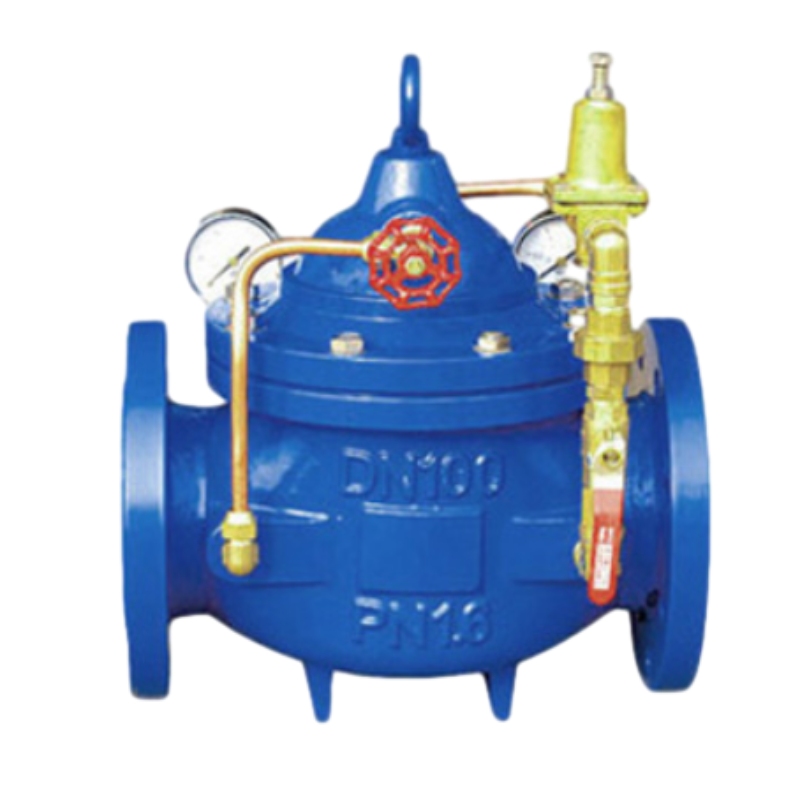
Water Control Valves_ Essential Components for Fluid Regulation
When it comes to fluid management systems, water control valves are indispensable for ensuring effic
Versatile Wood Connector Brackets for Durable and Secure Construction in Various Projects
Understanding Wood Connector Brackets Essential Components for Woodworking Projects In the realm of
Versatile Ground Anchor Solutions for Securely Supporting Adjustable Structures and Outdoor Installa
Understanding Adjustable Post Ground Anchors A Comprehensive Guide In the field of construction and
 English